


Can bonded solid tires be used on trailers?
Release Time : 2026-07-08
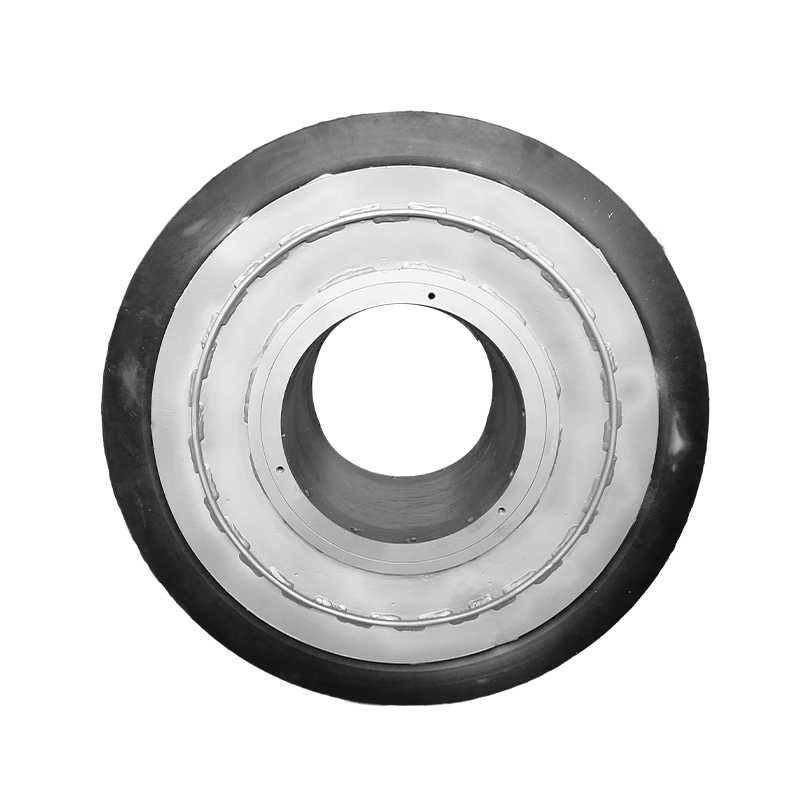
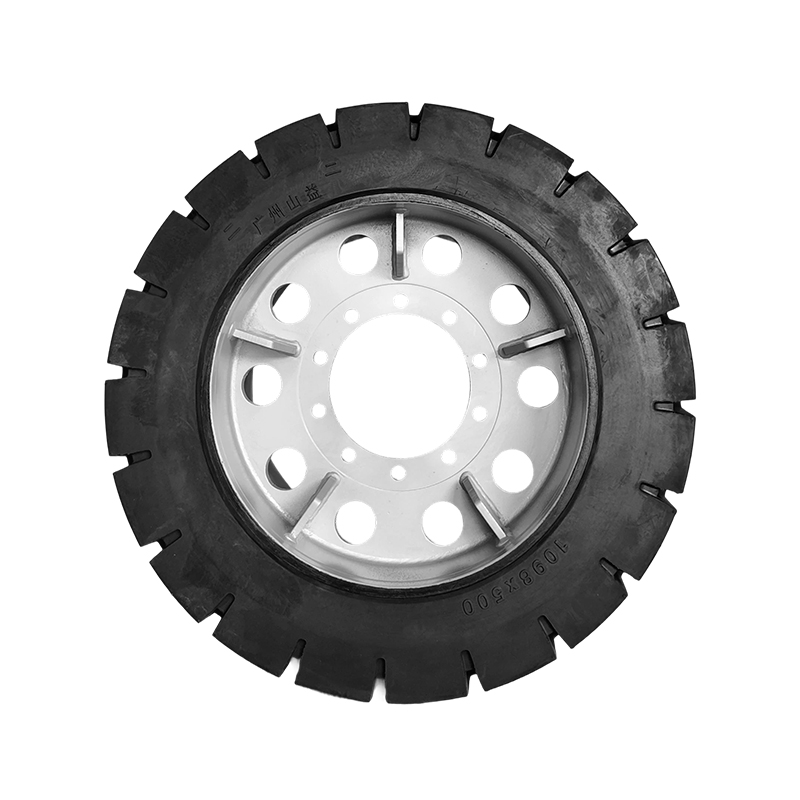
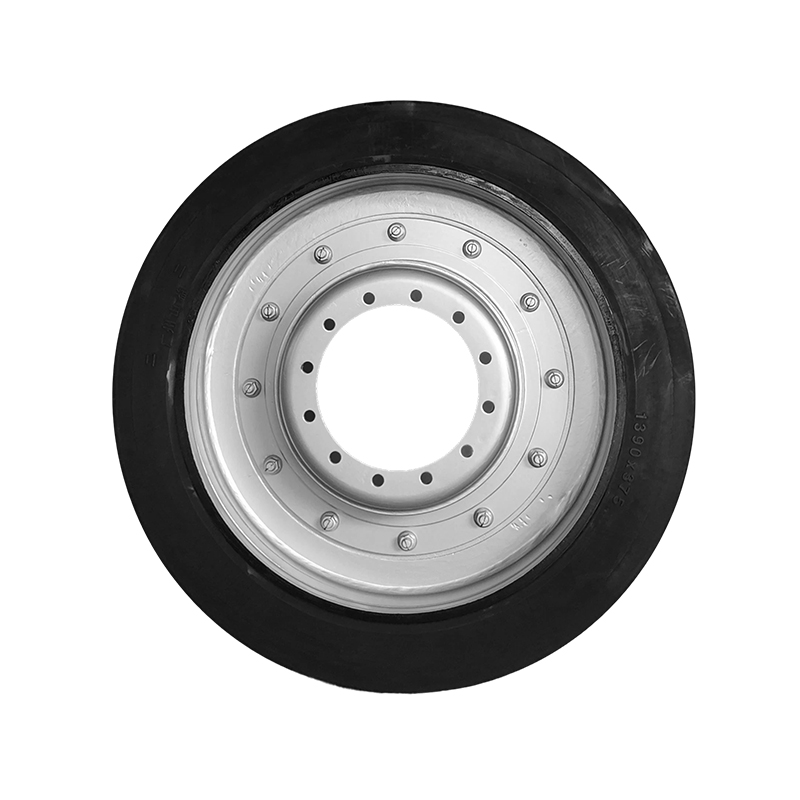
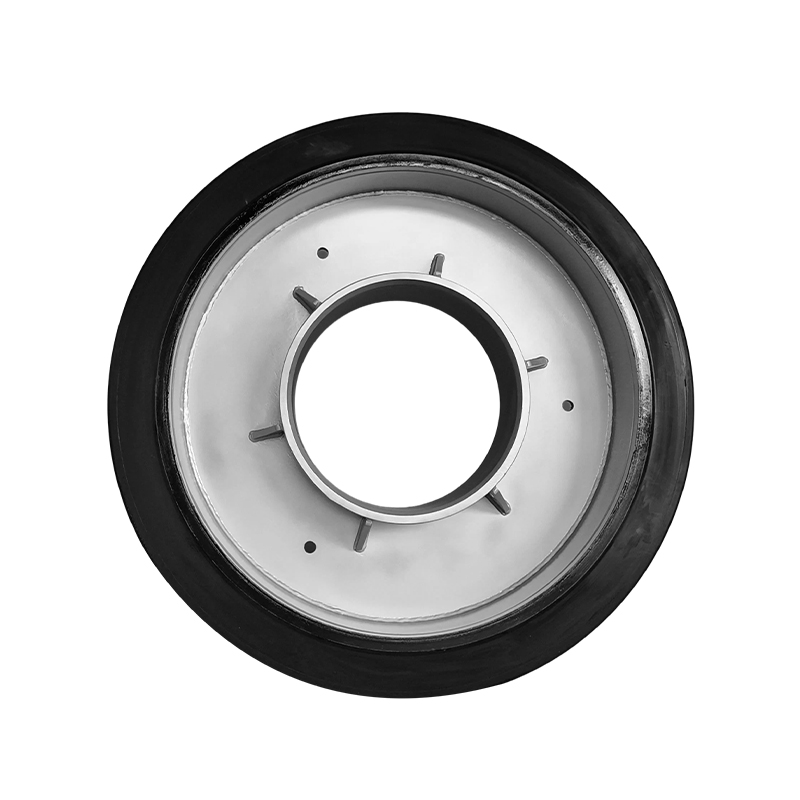
Bonded solid tires are exceptionally well-suited for use on trailers, serving as a highly reliable and efficient solution for various industrial and heavy-duty transport applications. The fundamental design of these tires, which are engineered to withstand tough conditions and offer high resistance to impact and cut damages, makes them an ideal choice for trailer operations. Trailers frequently encounter environments with a high risk of punctures from debris, sharp metal, or rough terrain, and the solid construction completely eliminates the vulnerabilities associated with pneumatic tires. This puncture-proof nature ensures that trailers can operate continuously without the costly downtime associated with flat tires or blowouts.
A primary advantage of utilizing bonded solid tires on trailers is their extreme stability and high loading capacity. Trailers are designed to haul substantial weights, and the robust structure of solid tires provides the necessary support to bear these heavy loads safely. The high damping properties and low rolling resistance of the cushion compound contribute to excellent tilting stability, which is crucial when a trailer is navigating uneven surfaces or making turns while fully loaded. This stability not only protects the cargo but also enhances the overall safety of the towing vehicle and operator. Furthermore, the load-bearing capabilities of these tires are maintained even in smaller dimensions, allowing for versatile trailer designs without sacrificing performance.
Maintenance efficiency is another significant factor that makes bonded solid tires highly desirable for trailer fleets. These tires are entirely maintenance-free, requiring no air pressure checks, inflation adjustments, or routine repairs. For logistics companies and industrial facilities that manage large numbers of trailers, this translates into substantial operational savings and streamlined fleet management. The long service life of bonded solid tires means that replacement intervals are significantly extended compared to traditional pneumatic alternatives. Industry data indicates that businesses can realize substantial savings on tire replacements and maintenance over time, sometimes cutting replacement costs by as much as thirty percent in high-usage scenarios.
The versatility of bonded solid tires allows them to perform exceptionally well across different types of trailers. They are widely utilized in logistics centers, seaports, and industrial applications where trailers must operate efficiently in demanding environments. For instance, platform trucks and heavy-duty transport vehicles rely on the durability of solid tires to move goods without interruption. Additionally, specialized trailers used in construction and mining benefit immensely from the rugged construction of these tires, which can withstand the abrasive conditions of dirt terrain and rocky surfaces. The market for solid trailer tires is largely driven by the construction and mining sectors, highlighting the tire's proven effectiveness in these rigorous applications.
Beyond their mechanical advantages, bonded solid tires also contribute to economic and environmental sustainability. The extended lifespan of these tires reduces the frequency of manufacturing and disposing of replacement tires, thereby lowering the overall environmental footprint. Manufacturers are also advancing polymer technology to create more sustainable alternatives that offer improved durability and handling while minimizing ecological impact. For industries such as food and pharmaceuticals, non-marking versions of solid tires are available for trailers operating in clean environments, ensuring that the transport process maintains strict hygiene standards without leaving floor marks. Ultimately, the combination of safety, durability, low maintenance, and cost-efficiency solidifies the position of bonded solid tires as a premier choice for modern trailer operations.
A primary advantage of utilizing bonded solid tires on trailers is their extreme stability and high loading capacity. Trailers are designed to haul substantial weights, and the robust structure of solid tires provides the necessary support to bear these heavy loads safely. The high damping properties and low rolling resistance of the cushion compound contribute to excellent tilting stability, which is crucial when a trailer is navigating uneven surfaces or making turns while fully loaded. This stability not only protects the cargo but also enhances the overall safety of the towing vehicle and operator. Furthermore, the load-bearing capabilities of these tires are maintained even in smaller dimensions, allowing for versatile trailer designs without sacrificing performance.
Maintenance efficiency is another significant factor that makes bonded solid tires highly desirable for trailer fleets. These tires are entirely maintenance-free, requiring no air pressure checks, inflation adjustments, or routine repairs. For logistics companies and industrial facilities that manage large numbers of trailers, this translates into substantial operational savings and streamlined fleet management. The long service life of bonded solid tires means that replacement intervals are significantly extended compared to traditional pneumatic alternatives. Industry data indicates that businesses can realize substantial savings on tire replacements and maintenance over time, sometimes cutting replacement costs by as much as thirty percent in high-usage scenarios.
The versatility of bonded solid tires allows them to perform exceptionally well across different types of trailers. They are widely utilized in logistics centers, seaports, and industrial applications where trailers must operate efficiently in demanding environments. For instance, platform trucks and heavy-duty transport vehicles rely on the durability of solid tires to move goods without interruption. Additionally, specialized trailers used in construction and mining benefit immensely from the rugged construction of these tires, which can withstand the abrasive conditions of dirt terrain and rocky surfaces. The market for solid trailer tires is largely driven by the construction and mining sectors, highlighting the tire's proven effectiveness in these rigorous applications.
Beyond their mechanical advantages, bonded solid tires also contribute to economic and environmental sustainability. The extended lifespan of these tires reduces the frequency of manufacturing and disposing of replacement tires, thereby lowering the overall environmental footprint. Manufacturers are also advancing polymer technology to create more sustainable alternatives that offer improved durability and handling while minimizing ecological impact. For industries such as food and pharmaceuticals, non-marking versions of solid tires are available for trailers operating in clean environments, ensuring that the transport process maintains strict hygiene standards without leaving floor marks. Ultimately, the combination of safety, durability, low maintenance, and cost-efficiency solidifies the position of bonded solid tires as a premier choice for modern trailer operations.