


How can the selection of materials for bonded solid tires in shipbuilding balance adhesion and resistance to seawater corrosion?
Release Time : 2026-04-09
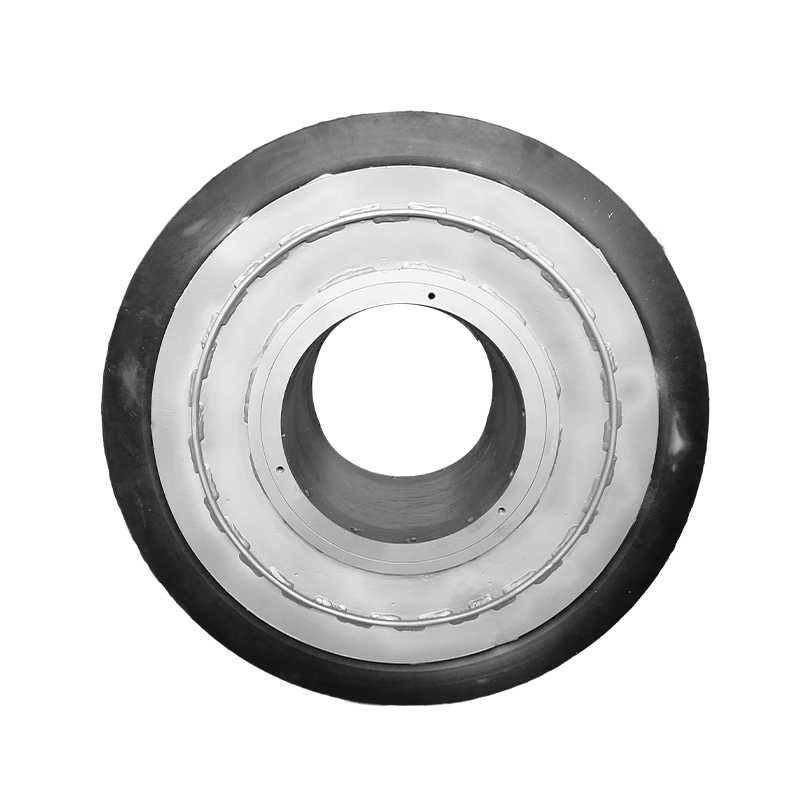
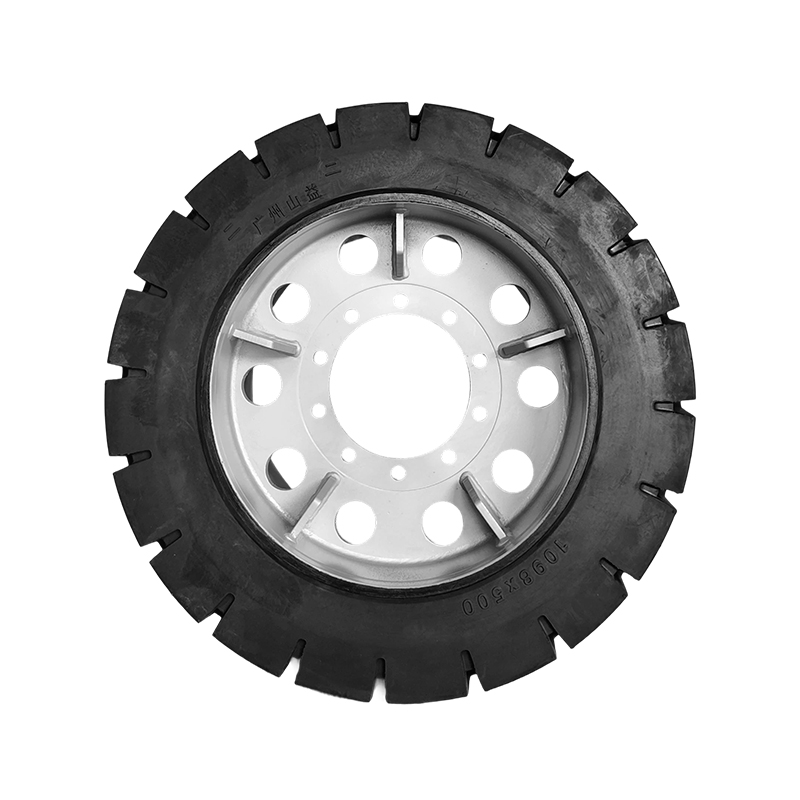
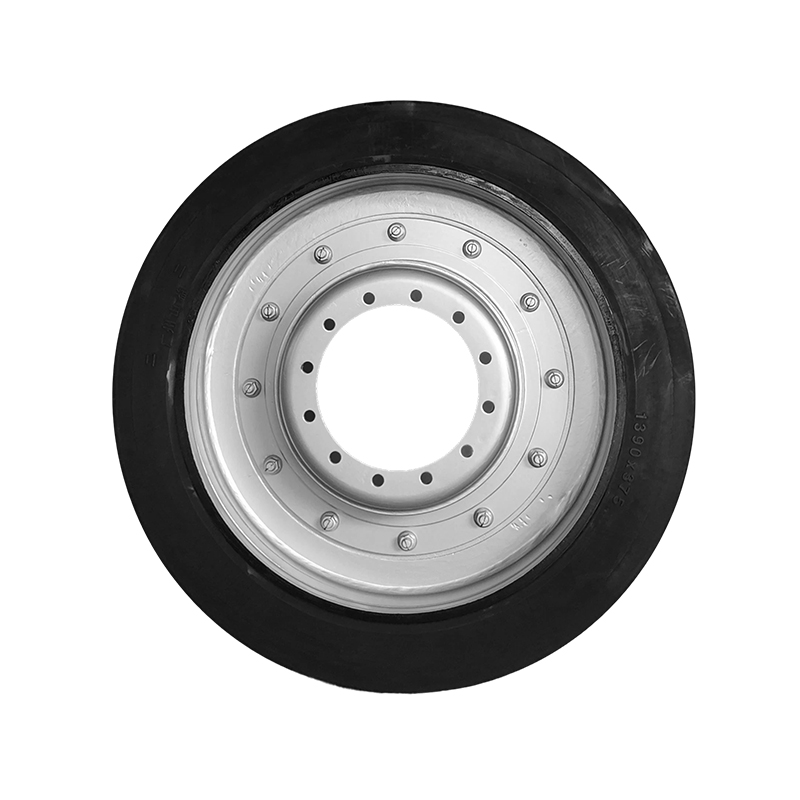
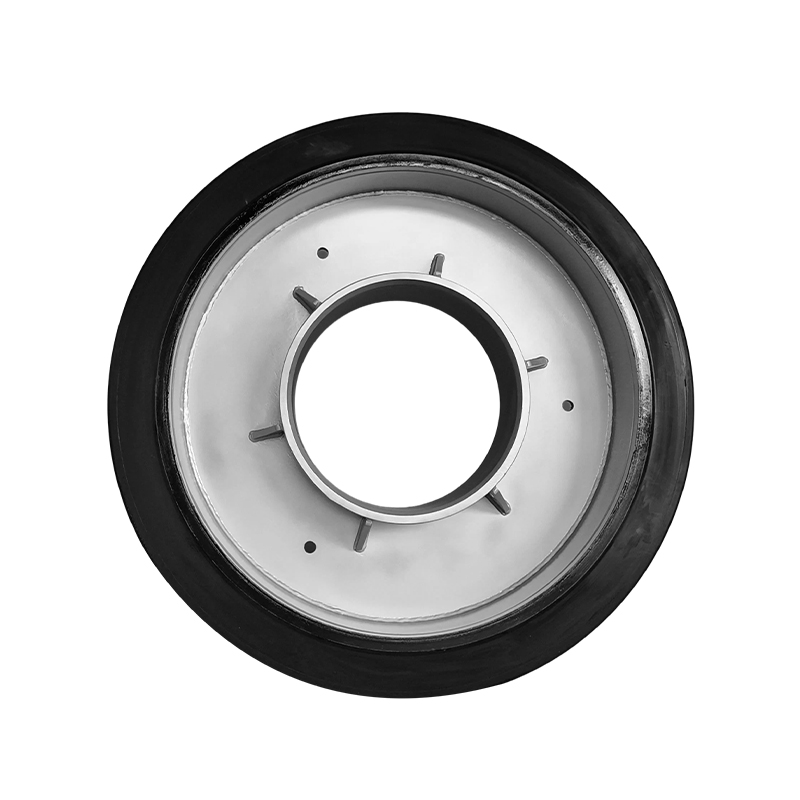
In shipbuilding, the selection of materials for bonded solid tires (AR) must simultaneously meet two core requirements: adhesion and resistance to seawater corrosion. This process involves the cross-application of materials science, corrosion engineering, and bonding technologies. From material selection to process design, the synergistic effects of the metal rim, rubber tire, and adhesives must be systematically considered to address the challenges of high salt spray, high humidity, and dynamic loads in the marine environment.
The choice of rim material is fundamental to balancing adhesion and corrosion resistance. While traditional cast iron or cast steel rims offer high strength, they are susceptible to seawater corrosion and require surface treatment to improve corrosion resistance. For example, thermally sprayed aluminum or Dacromet coatings can form a dense oxide film on the rim surface, isolating corrosive media; simultaneously, the zinc or aluminum elements in the coating protect the substrate through the sacrificial anode effect. For special applications, such as small marine equipment, duralumin or fiberglass rims are alternatives due to their excellent corrosion resistance, but their adhesion to rubber requires chemical modification or mechanical roughening to enhance interfacial bonding.
The formulation design of rubber tires must balance wear resistance, elasticity, and corrosion resistance. Natural rubber is widely used due to its good elasticity and strong adhesion, but its resistance to seawater aging is insufficient, requiring blending modification to improve its performance. For example, incorporating chloroprene rubber or butyl rubber can significantly improve oil resistance and weather resistance; adding carbon black reinforcing agents can enhance abrasion resistance, while thermally conductive fillers such as nano-zinc oxide help dissipate internal heat during tire use, preventing adhesion failure due to heat accumulation. Furthermore, the appropriate use of reclaimed rubber can reduce costs, while optimizing the vulcanization system improves the processing performance of the rubber compound.
The choice of adhesive is crucial to ensuring a reliable bond between the rim and the tire. Traditional hard rubber adhesives, due to their high sulfur content, are prone to migration reactions with sulfur in the tread rubber, leading to a decrease in adhesive strength. Modern processes often use isocyanate adhesives, whose active groups can form chemical bonds with metal surface oxides and rubber molecules, achieving high-strength adhesion; simultaneously, these adhesives have excellent seawater resistance and can withstand long-term salt spray corrosion. For large solid tires, specialized adhesives such as Chemlock further enhance the durability and peel resistance of the adhesive layer through a two-component reaction mechanism. Surface treatment processes have a decisive impact on bonding quality. The rim surface needs to be sandblasted or machined to remove the oxide layer, creating suitable roughness to increase the contact area; subsequently, it should be cleaned with gasoline to remove oil stains and prevent residues from affecting adhesive wetting. For high-precision applications, chemical etching or plasma treatment can activate the metal surface, enhancing the chemical bond with the adhesive. The bonding surface of rubber tires needs to be polished or coated with tackifiers to increase surface energy and ensure sufficient contact with the adhesive.
Optimizing the vulcanization process is crucial for balancing adhesion and corrosion resistance. Solid tires, being thick-walled products, experience significant temperature differences between the inner and outer layers during vulcanization, easily leading to uneven vulcanization. Using a gradual temperature increase vulcanization method ensures uniform heat transfer, avoiding performance defects caused by localized under- or over-vulcanization. Simultaneously, precise control of vulcanization temperature and time prevents premature adhesive decomposition, maintaining its interfacial stability with the metal and rubber.
Environmental adaptability design must cover the entire life cycle of the tire. During the bonding stage, workshop humidity must be controlled to prevent moisture from interfering with adhesive curing. During storage, tires must be kept away from corrosive gases to prevent premature aging of the adhesive layer. For tires serving long-term in marine environments, regular testing of bond strength and rim corrosion is crucial; recoating the protective coating or replacing the tire may be necessary.
The selection of materials for shipbuilding bonded solid tires requires a synergistic optimization of materials, processes, and the environment to achieve a performance balance. From corrosion-resistant rim coatings, rubber blending modifications, and adhesive chemical matching, to surface treatment, vulcanization control, and lifecycle maintenance, every step must prioritize bond reliability and corrosion resistance. Advances in materials science and bonding technology, along with the application of novel nanocomposite coatings, self-healing adhesives, and intelligent monitoring systems, will further drive the development of shipbuilding solid tires towards high performance and long lifespan.