


How do bonded solid tires ensure long-term load-bearing capacity and stability in heavy-duty transportation equipment?
Release Time : 2026-03-25
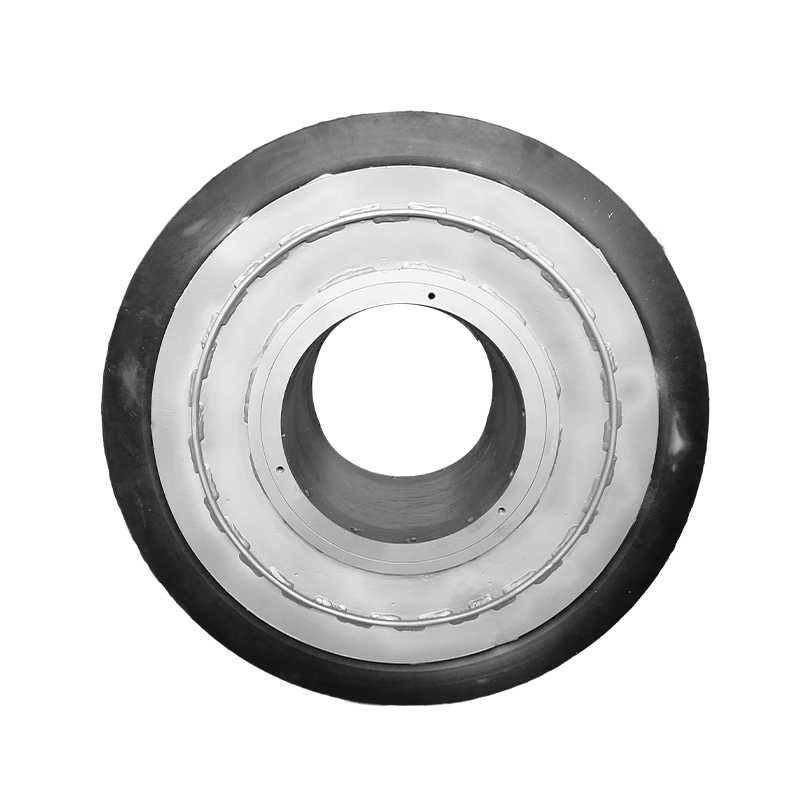
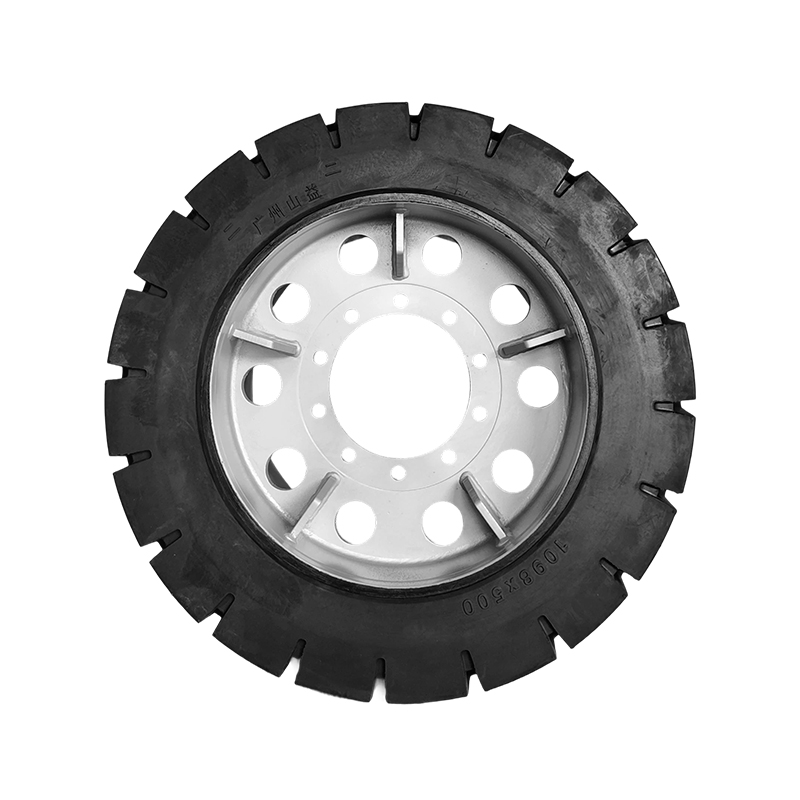
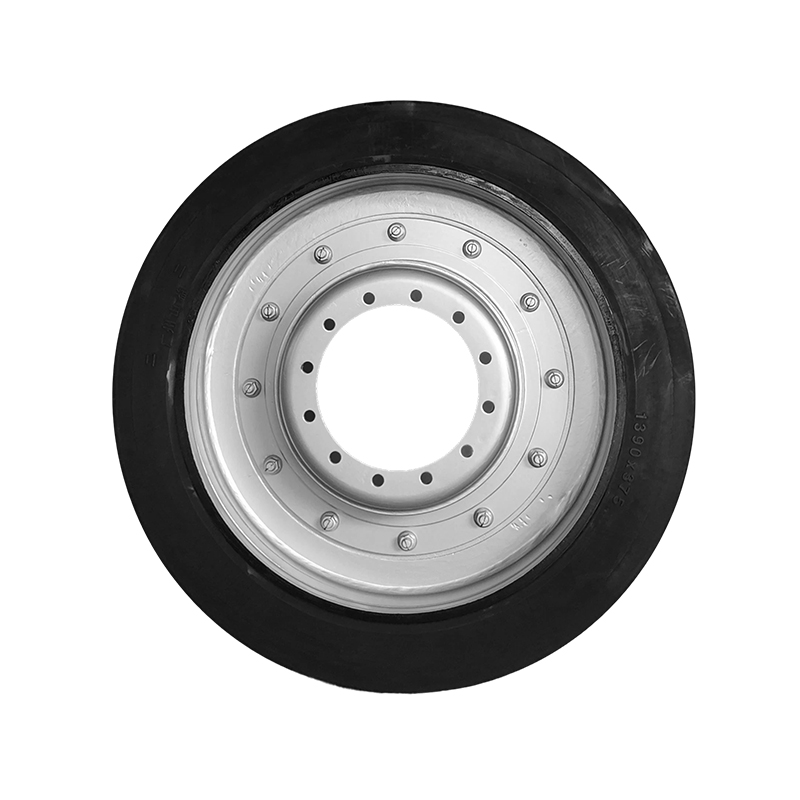
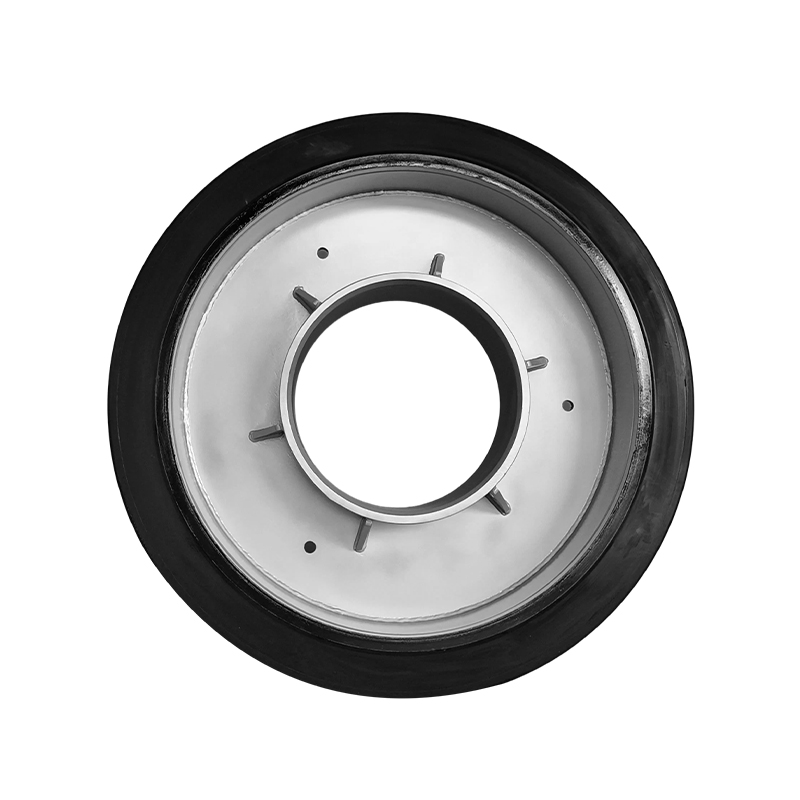
Bonded solid tires, as crucial components of heavy-duty transportation equipment, are widely used in high-intensity operating environments such as shipbuilding, ship repair, and bridge construction. Facing long-term high-load operation and complex working conditions, their load-bearing capacity and stability become key performance indicators. Through comprehensive improvements in material optimization, structural design, and manufacturing processes, bonded solid tires can maintain reliable performance under harsh conditions.
1. High-strength Rubber Compound Enhances Load-Bearing Foundation
Bonded solid tires typically use a high-density rubber compound. By adding wear-resistant fillers and reinforcing materials, the tires possess excellent compressive strength and fatigue resistance. This material is less prone to permanent deformation under long-term heavy loads, effectively distributing load pressure. Simultaneously, the optimized internal structure of the rubber maintains a certain degree of elasticity while retaining hardness, thereby reducing stress concentration during load-bearing and improving overall stability.
2. Multi-layered Structural Design Enhances Stress Distribution
Solid tires typically employ a multi-layered composite structural design, including a wear-resistant outer layer, a cushioning middle layer, and a high-strength base layer. The outer layer primarily bears friction and wear, the middle layer absorbs impact and vibration, and the inner layer provides core support. This multi-layered structure distributes stress under different operating conditions, allowing the tire to maintain a stable shape under heavy loads, preventing localized excessive compression or cracking, thus extending its service life.
3. Bonding Process Ensures Reliable Hub Connection
Bonded solid tires are bonded to the hub using a high-strength bonding process, through chemical bonding or vulcanization, forming a strong, integrated structure. A high-quality bonding layer can withstand long-term repeated loads and impacts, and is less prone to delamination or loosening. This stable connection ensures that the tire will not shift or slip during operation, thus guaranteeing the smoothness and safety of the equipment.
4. Stable Performance Under Low-Speed, Heavy-Load Conditions
In heavy-duty transportation equipment, tires often operate under low-speed, high-load conditions. Bonded solid tires, through high-hardness materials and a rational structural design, effectively resist compression deformation and maintain a stable contact area. This not only improves load-bearing capacity but also enhances the stability of the equipment during starting, steering, and braking, reducing swaying or deviation caused by tire deformation.
5. Enhanced Environmental Resistance and Durability
In shipbuilding and bridge construction environments, tires are often exposed to moisture, salt spray, and oil contamination. By incorporating antioxidants and anti-aging components into the rubber compound, combined with surface treatment technology, tire aging and cracking can be effectively delayed. Furthermore, the solid structure avoids the leaks or blowouts that can occur with pneumatic tires, making them more reliable in harsh environments.
6. Simplified Maintenance and Reduced Long-Term Risks
Bonded solid tires require no inflation, reducing daily maintenance workload and avoiding performance fluctuations caused by insufficient or excessive tire pressure. Their stable structure ensures consistent operating conditions over long-term use, reducing downtime risks due to tire problems and improving overall operational efficiency.
In summary, bonded solid tires, through high-strength materials, multi-layered structural design, reliable bonding processes, and excellent environmental adaptability, achieve long-term stable load-bearing performance in heavy-duty transportation equipment. Their airless, wear-resistant, and pressure-resistant characteristics ensure safety and reliability even under complex working conditions, providing a solid guarantee for the operation of large-scale engineering equipment.
1. High-strength Rubber Compound Enhances Load-Bearing Foundation
Bonded solid tires typically use a high-density rubber compound. By adding wear-resistant fillers and reinforcing materials, the tires possess excellent compressive strength and fatigue resistance. This material is less prone to permanent deformation under long-term heavy loads, effectively distributing load pressure. Simultaneously, the optimized internal structure of the rubber maintains a certain degree of elasticity while retaining hardness, thereby reducing stress concentration during load-bearing and improving overall stability.
2. Multi-layered Structural Design Enhances Stress Distribution
Solid tires typically employ a multi-layered composite structural design, including a wear-resistant outer layer, a cushioning middle layer, and a high-strength base layer. The outer layer primarily bears friction and wear, the middle layer absorbs impact and vibration, and the inner layer provides core support. This multi-layered structure distributes stress under different operating conditions, allowing the tire to maintain a stable shape under heavy loads, preventing localized excessive compression or cracking, thus extending its service life.
3. Bonding Process Ensures Reliable Hub Connection
Bonded solid tires are bonded to the hub using a high-strength bonding process, through chemical bonding or vulcanization, forming a strong, integrated structure. A high-quality bonding layer can withstand long-term repeated loads and impacts, and is less prone to delamination or loosening. This stable connection ensures that the tire will not shift or slip during operation, thus guaranteeing the smoothness and safety of the equipment.
4. Stable Performance Under Low-Speed, Heavy-Load Conditions
In heavy-duty transportation equipment, tires often operate under low-speed, high-load conditions. Bonded solid tires, through high-hardness materials and a rational structural design, effectively resist compression deformation and maintain a stable contact area. This not only improves load-bearing capacity but also enhances the stability of the equipment during starting, steering, and braking, reducing swaying or deviation caused by tire deformation.
5. Enhanced Environmental Resistance and Durability
In shipbuilding and bridge construction environments, tires are often exposed to moisture, salt spray, and oil contamination. By incorporating antioxidants and anti-aging components into the rubber compound, combined with surface treatment technology, tire aging and cracking can be effectively delayed. Furthermore, the solid structure avoids the leaks or blowouts that can occur with pneumatic tires, making them more reliable in harsh environments.
6. Simplified Maintenance and Reduced Long-Term Risks
Bonded solid tires require no inflation, reducing daily maintenance workload and avoiding performance fluctuations caused by insufficient or excessive tire pressure. Their stable structure ensures consistent operating conditions over long-term use, reducing downtime risks due to tire problems and improving overall operational efficiency.
In summary, bonded solid tires, through high-strength materials, multi-layered structural design, reliable bonding processes, and excellent environmental adaptability, achieve long-term stable load-bearing performance in heavy-duty transportation equipment. Their airless, wear-resistant, and pressure-resistant characteristics ensure safety and reliability even under complex working conditions, providing a solid guarantee for the operation of large-scale engineering equipment.