


How can bonded solid tires further reduce failure rates and improve equipment uptime in the safe operation system of rubber-tired gantry cranes?
Release Time : 2026-05-28
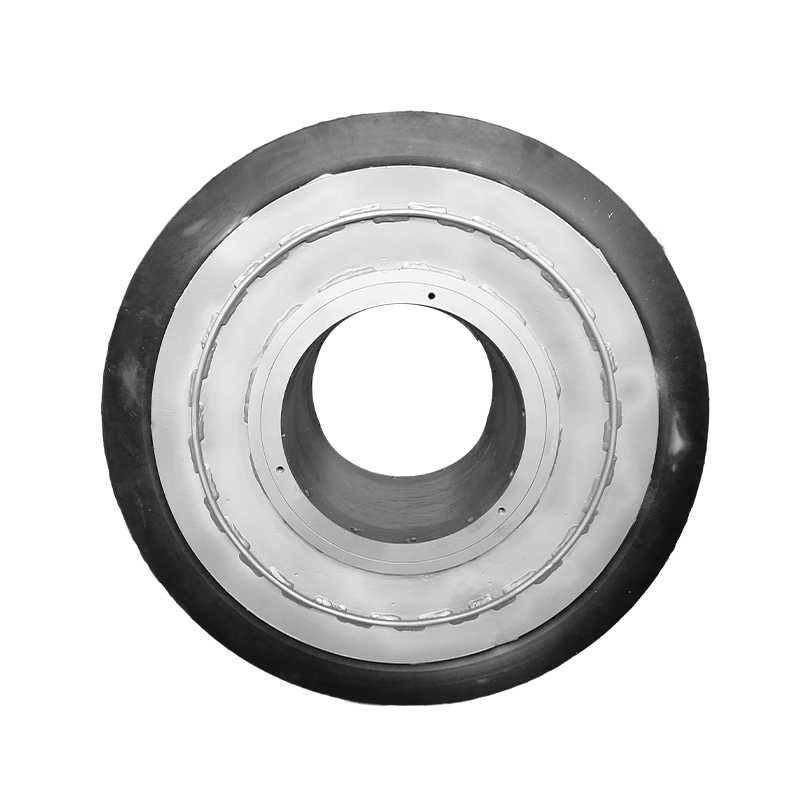
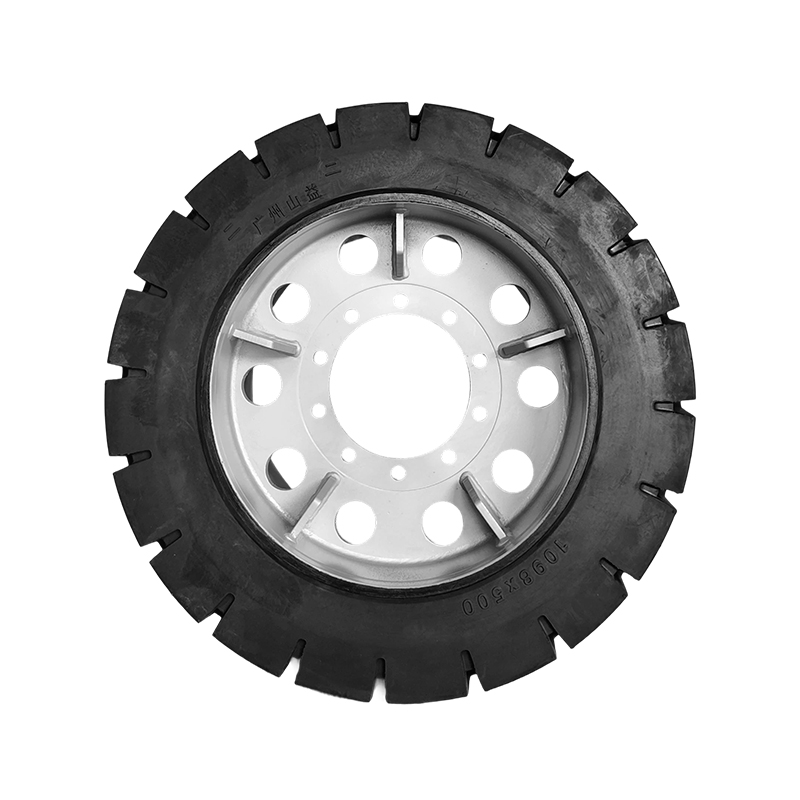
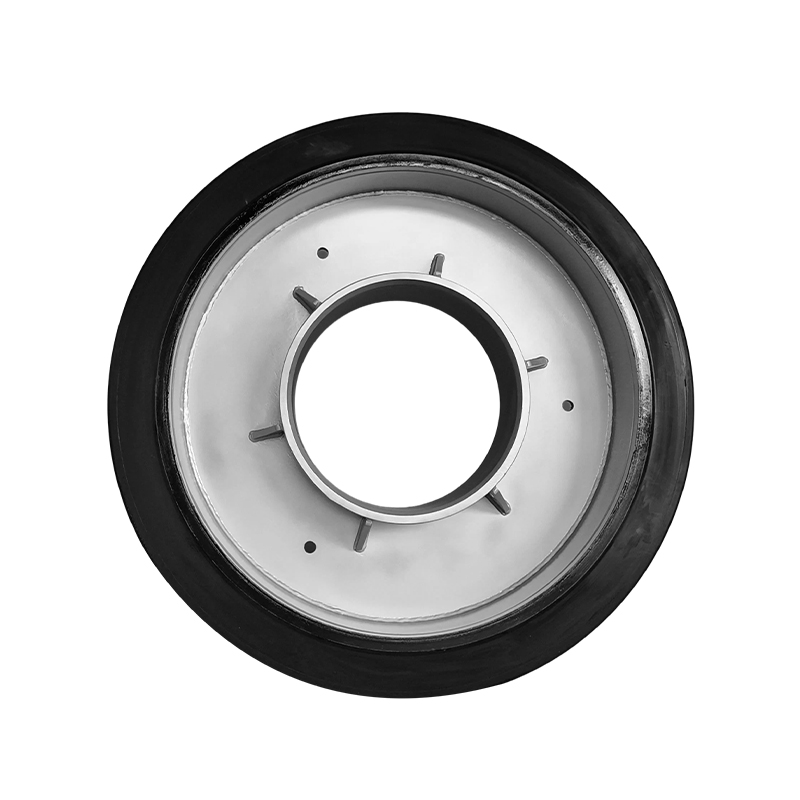
In the operation system of rubber-tired gantry cranes, bonded solid tires, as key load-bearing and moving components, directly affect the safety, stability, and operational efficiency of the equipment. Compared to traditional pneumatic tires, bonded solid tires have advantages such as no risk of tire blowout, high load-bearing capacity, and maintenance-free operation, making them particularly suitable for high-intensity continuous operation environments such as ports and logistics yards. However, under long-term heavy loads, frequent turning, and complex road conditions, tires may still experience hidden problems such as uneven wear, structural fatigue, or loose connections, thus affecting the overall uptime of the equipment.
1. Optimize Tire Carcass Structure to Improve Overall Load-Bearing Stability
The core advantage of bonded solid tires lies in the high load-bearing capacity of their overall rubber structure. However, if the tire carcass structure design is unreasonable, local stress concentration may still occur during long-term high-load operation. Therefore, it is necessary to improve the overall stress uniformity by optimizing the internal structural distribution of the tire carcass. For example, a layered composite structure design provides the outer layer with high wear resistance, the middle layer with cushioning and shock absorption capabilities, and the inner layer with enhanced overall support strength. This structural optimization effectively distributes load pressure, reduces localized fatigue damage, and thus lowers the probability of tire structural failures.
2. Improve Operating Conditions to Reduce Abnormal Wear
During operation, tire-mounted gantry cranes often experience frequent starts and stops, steering, and heavy-load acceleration, which can easily lead to accelerated localized tire wear. Therefore, in practical use, it is necessary to optimize operating strategies to reduce abnormal wear. For example, rationally planning the travel path and reducing sharp turns and rapid acceleration can effectively reduce lateral friction loss. Simultaneously, controlling the operating speed and load matching can reduce instantaneous impact pressure on the tires, thereby extending overall service life and improving the equipment's continuous uptime capability.
3. Strengthen Equipment Maintenance and Monitoring for Preventive Management
Although bonded solid tires are characterized by being airless and low-maintenance, this does not mean they are completely maintenance-free. On the contrary, regularly checking the tire surface wear and connection status can help identify potential problems early. For example, using intelligent monitoring systems to monitor tire temperature, vibration, and wear in real time can promptly identify abnormal operating conditions. Furthermore, establishing preventative maintenance mechanisms allows for intervention before problems occur, effectively reducing sudden failures and improving overall equipment reliability.
4. Optimizing Tire Mounting Structure to Enhance Connection Reliability
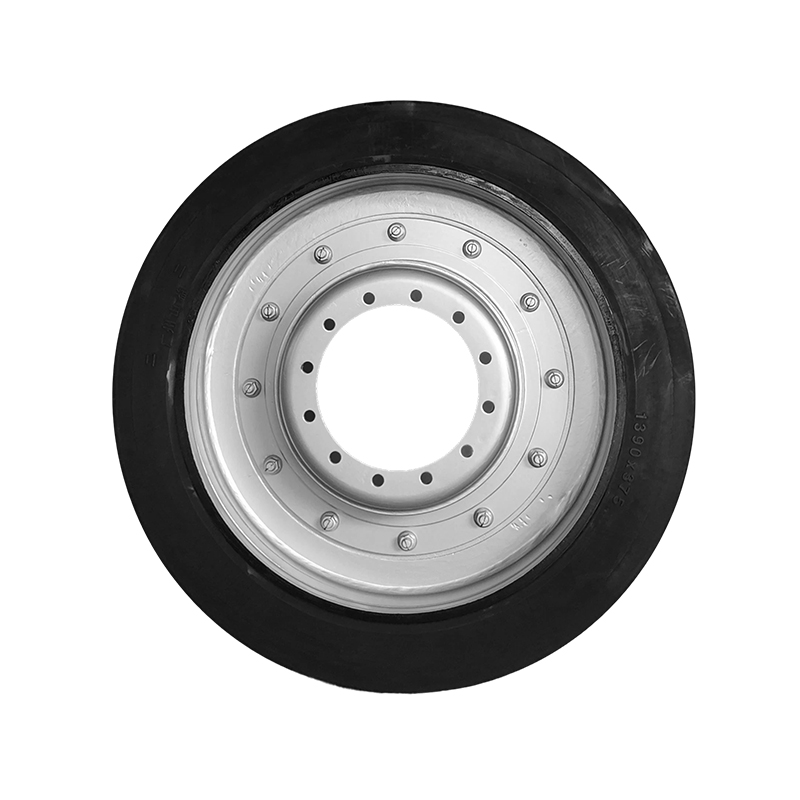
The stability of the connection between the tire and rim is a crucial factor affecting equipment safety. Loose mounting structures or uneven stress can lead to safety hazards under high loads. Therefore, the mounting design should employ high-strength bolts and incorporate anti-loosening measures to improve connection reliability. Simultaneously, optimizing the installation process to ensure uniform contact between the tire and rim reduces fretting wear during operation, thereby lowering the risk of failure.
5. Enhancing Material Durability and Environmental Adaptability
Port and storage yard environments typically present complex conditions such as high temperatures, humidity, salt spray, and dust, which accelerate rubber material aging. Therefore, in the manufacturing of bonded solid tires, high-performance weather-resistant rubber materials must be selected, and anti-aging modification processes should be used to improve material stability. Meanwhile, surface protection treatment further enhances resistance to ultraviolet radiation and corrosion, thereby maintaining long-term stable operation in harsh environments and improving overall equipment uptime.
In summary, by optimizing the tire structure, improving operating conditions, strengthening monitoring and maintenance, enhancing installation reliability, and improving material durability, the failure rate of bonded solid tires in the safe operation system of tire-mounted gantry cranes can be effectively reduced. This not only improves overall equipment uptime but also significantly enhances port operation efficiency and safety, providing more reliable support for modern logistics and heavy equipment operation.
1. Optimize Tire Carcass Structure to Improve Overall Load-Bearing Stability
The core advantage of bonded solid tires lies in the high load-bearing capacity of their overall rubber structure. However, if the tire carcass structure design is unreasonable, local stress concentration may still occur during long-term high-load operation. Therefore, it is necessary to improve the overall stress uniformity by optimizing the internal structural distribution of the tire carcass. For example, a layered composite structure design provides the outer layer with high wear resistance, the middle layer with cushioning and shock absorption capabilities, and the inner layer with enhanced overall support strength. This structural optimization effectively distributes load pressure, reduces localized fatigue damage, and thus lowers the probability of tire structural failures.
2. Improve Operating Conditions to Reduce Abnormal Wear
During operation, tire-mounted gantry cranes often experience frequent starts and stops, steering, and heavy-load acceleration, which can easily lead to accelerated localized tire wear. Therefore, in practical use, it is necessary to optimize operating strategies to reduce abnormal wear. For example, rationally planning the travel path and reducing sharp turns and rapid acceleration can effectively reduce lateral friction loss. Simultaneously, controlling the operating speed and load matching can reduce instantaneous impact pressure on the tires, thereby extending overall service life and improving the equipment's continuous uptime capability.
3. Strengthen Equipment Maintenance and Monitoring for Preventive Management
Although bonded solid tires are characterized by being airless and low-maintenance, this does not mean they are completely maintenance-free. On the contrary, regularly checking the tire surface wear and connection status can help identify potential problems early. For example, using intelligent monitoring systems to monitor tire temperature, vibration, and wear in real time can promptly identify abnormal operating conditions. Furthermore, establishing preventative maintenance mechanisms allows for intervention before problems occur, effectively reducing sudden failures and improving overall equipment reliability.
4. Optimizing Tire Mounting Structure to Enhance Connection Reliability
The stability of the connection between the tire and rim is a crucial factor affecting equipment safety. Loose mounting structures or uneven stress can lead to safety hazards under high loads. Therefore, the mounting design should employ high-strength bolts and incorporate anti-loosening measures to improve connection reliability. Simultaneously, optimizing the installation process to ensure uniform contact between the tire and rim reduces fretting wear during operation, thereby lowering the risk of failure.
5. Enhancing Material Durability and Environmental Adaptability
Port and storage yard environments typically present complex conditions such as high temperatures, humidity, salt spray, and dust, which accelerate rubber material aging. Therefore, in the manufacturing of bonded solid tires, high-performance weather-resistant rubber materials must be selected, and anti-aging modification processes should be used to improve material stability. Meanwhile, surface protection treatment further enhances resistance to ultraviolet radiation and corrosion, thereby maintaining long-term stable operation in harsh environments and improving overall equipment uptime.
In summary, by optimizing the tire structure, improving operating conditions, strengthening monitoring and maintenance, enhancing installation reliability, and improving material durability, the failure rate of bonded solid tires in the safe operation system of tire-mounted gantry cranes can be effectively reduced. This not only improves overall equipment uptime but also significantly enhances port operation efficiency and safety, providing more reliable support for modern logistics and heavy equipment operation.